

Today, camping competes in a far more professionalised environment, where travellers compare, plan and decide online. And where marketing, revenue and distribution can no longer be managed as separate silos.
The challenge is no longer filling pitches during high season, but building a digital strategy that provides control, margin and long-term stability for the business.
Índice de Contenidos
- 1 The camping customer decision process: longer, more informed and more demanding
- 1.1 SEO/GEO for campings: attracting the right customer (real example)
- 1.2 Revenue-driven digital advertising: selling what actually matters
- 1.3 The campsite website: where direct sales are won or lost
- 1.4 Content that sells without talking about prices
- 1.5 Balanced distribution: neither dependency nor war against OTAs
- 1.6 Sustainability: communicating to attract the right customer
- 1.7 Digital marketing as a management tool
The camping customer decision process: longer, more informed and more demanding
Camping guests do not book impulsively. They research, compare and ask questions — especially when travelling as a family or planning longer stays. According to the European Travel Commission, over 70% of European travellers choosing nature-based tourism spend several weeks in the inspiration and comparison phase.
This translates into something very concrete:
If your campsite does not appear at those key moments, it simply does not exist for that customer.
This is where digital marketing stops being a visual exercise and becomes a real acquisition and qualification tool.
SEO/GEO for campings: attracting the right customer (real example)
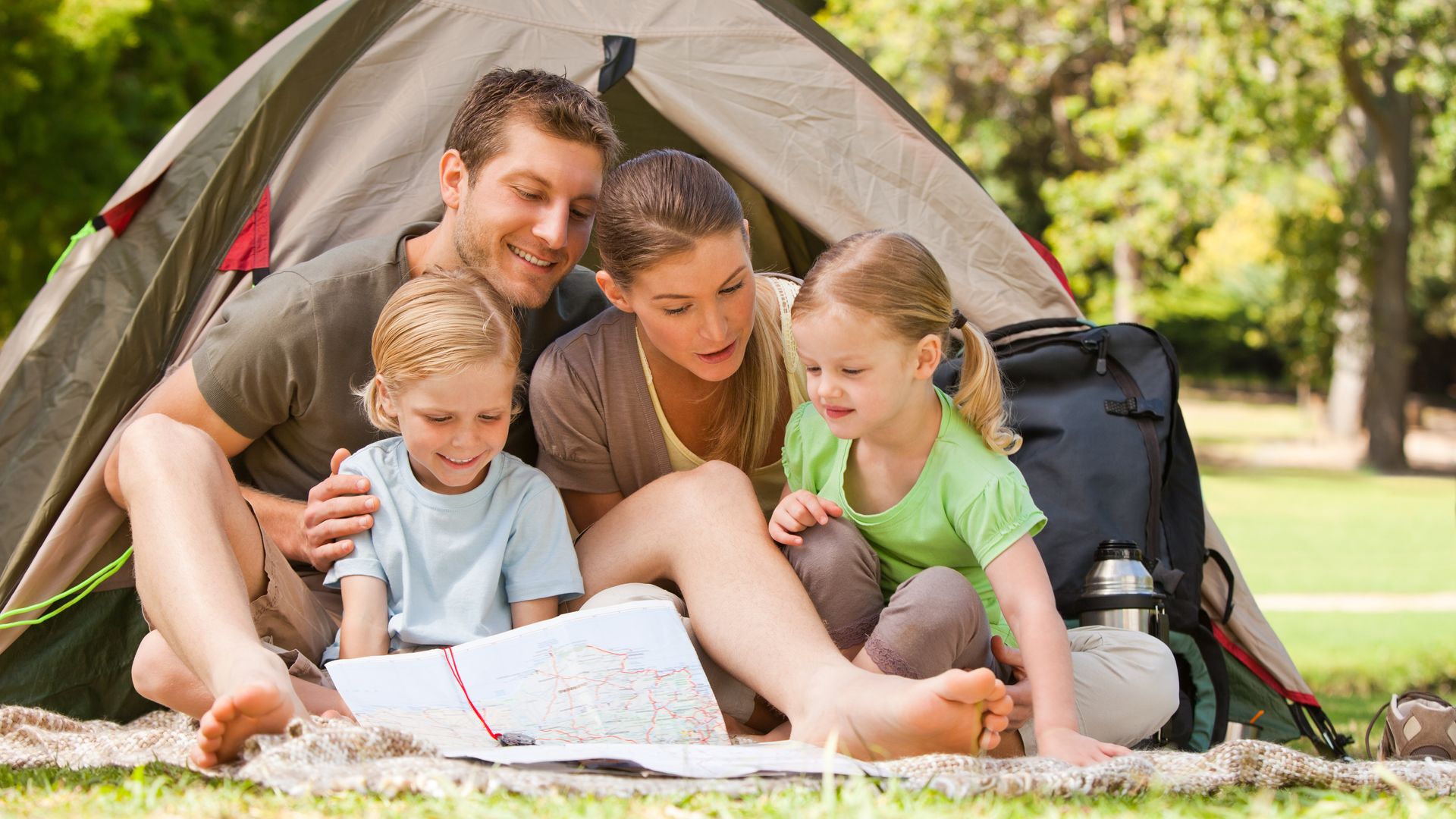
A coastal campsite with family bungalows was receiving high volumes of organic traffic, but conversion rates were low. After analysing search queries, it became clear that much of the traffic came from generic terms such as camping on the Mediterranean coast.
The strategy shifted. Specific landing pages were created targeting searches such as family bungalow camping near the beach or camping with swimming pool and kids’ entertainment. The result was less overall traffic, but significantly more direct bookings and a higher average length of stay.
This type of SEO/GEO, focused on real intent rather than pure volume, is especially profitable for campings, where each booking has high value.
Google confirms in several studies that qualified organic traffic is one of the highest-converting channels in tourism when content responds to a specific user need (Google).
Revenue-driven digital advertising: selling what actually matters
One of the most common mistakes is launching Google Ads or social media campaigns without considering the campsite’s real commercial situation.
Practical example:
An inland campsite with high pitch occupancy but low weekday bungalow demand was investing its budget in generic campaigns. By aligning marketing with revenue management, specific campaigns were launched only for bungalows during low-demand periods, with messaging focused on peaceful getaways and remote working.
Result:
Improved occupancy without cannibalising sales or reducing prices.
Advertising works when it responds to a clear business objective, not when it simply generates clicks.
The campsite website: where direct sales are won or lost

Many campings invest in traffic but neglect their website — and that comes at a high cost.
A common scenario:
Websites where the difference between pitches, mobile homes and bungalows is unclear; confusing booking processes; or missing practical information (opening times, services, policies).
According to Phocuswright, small improvements in user experience can increase conversion by up to 30% in tourist accommodation. In campings, where decisions are more complex, the impact is often even greater.
The website should guide the customer — not push them towards an OTA for answers.
Content that sells without talking about prices
Camping has a huge competitive advantage: the experience. Yet many sites communicate little more than prices and availability.
A family campsite that began working with content showing daily life, children’s activities and the natural surroundings achieved something key: reduced price sensitivity during mid-season. Guests no longer compared prices alone — they compared experiences.
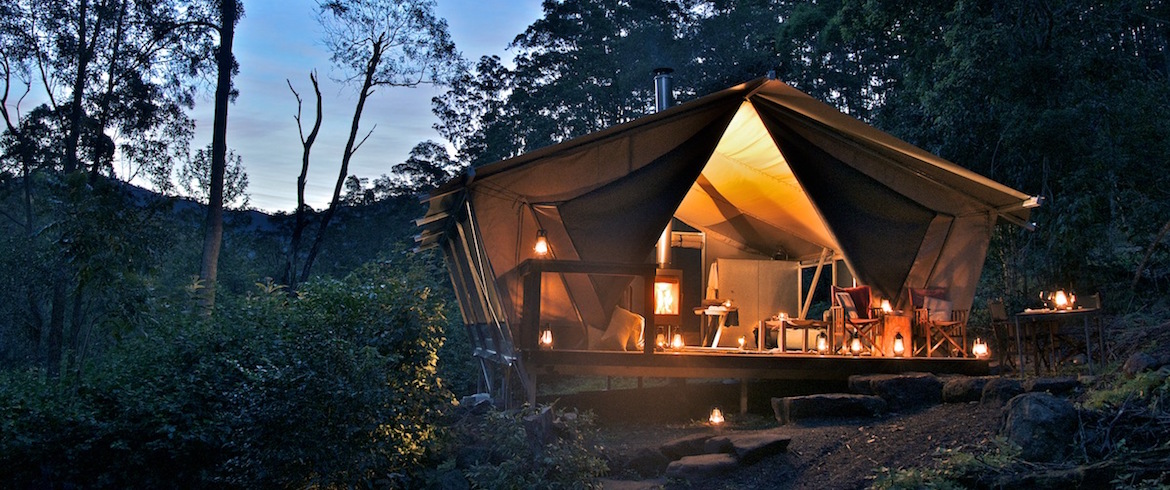
This approach, closely aligned with inbound tourism marketing, attracts a more informed, more aligned and more profitable traveller in the long term.
Balanced distribution: neither dependency nor war against OTAs
Platforms such as Booking.com or Pitchup are part of the camping ecosystem. The issue is not using them — it is failing to decide how and why they are used.
The best-performing campings are those that:
- Protect their direct channel
- Use intermediaries strategically
- Analyse real profitability by channel, not just volume
Sustainability: communicating to attract the right customer
More and more campings are investing in sustainability, but communicating it poorly can create frustration. It’s not about selling a concept — it’s about explaining how sustainability is lived day to day at the campsite.
When sustainability is communicated coherently, it not only improves online reputation but also filters the right type of guest, reduces conflict and enhances the overall experience. One example is Monte Holiday Ecoturismo, a pioneering campsite in sustainability and fire prevention in the Sierra de Madrid.
Digital marketing as a management tool
Digital marketing for campings is no longer about “doing actions”, but about making better decisions. Decisions based on data, customer knowledge and a clear business vision.
Campings that understand this don’t just sell more — they sell better: more direct, with higher margins and a stronger brand.
And that’s where specialisation truly matters. Because understanding a campsite is not just about its website or campaigns, but about its operations, seasonality and commercial reality.